Outdoor life · 3 min read
Hiking in Norway: turn a beautiful view into a sound plan
A photograph tells you little about ascent, exposed sections or getting home. A good outing starts with those questions. Here is our workflow for choosing and preparing a day hike, informed by DNT's mountain code and trail grading. This is a planning guide; local assessment still determines the route.
- Starting point: a day hike
- Choose for: the least experienced person
- Also prepare: a shorter alternative
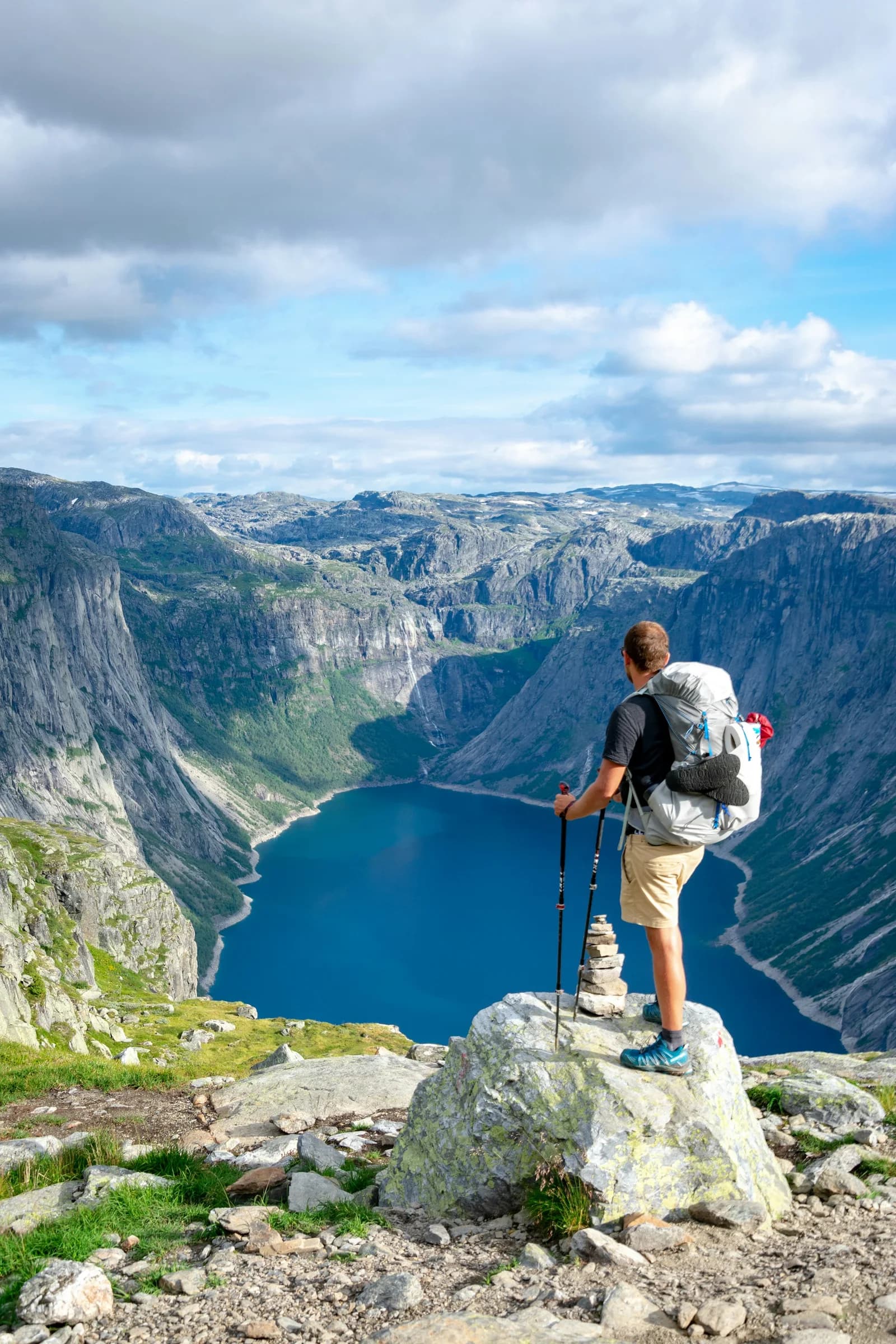
Choose the terrain before the view
DNT's grading uses green, blue, red and black for increasing difficulty. Read the full route description rather than relying only on the colour or distance. A long woodland path and a short steep mountain route can demand quite different abilities. Note ascent, surfaces, exposure and any skills you have not practised.
Our advice for a first outing is to choose below the ambition you think you can handle. It gives you time to learn the terrain, your footwear and your pace. A famous viewpoint is not automatically suitable for children, an inexperienced group or a day with poor visibility.
Make a route note before departure
Write down the start, route, expected return and a shorter alternative. Share the plan with someone and agree what should happen if you do not return as expected. Check weather and relevant hazard forecasts; decide whether the group understands what they mean for the intended terrain. If uncertain, choose simpler ground or seek local professional advice.
Set a turnaround time rather than only a desired summit time. Our suggestion is to work back from the return journey and protect time for breaks. A bus departure should never be a reason to rush down a difficult section. Allow for weather, energy and surfaces to change your pace.
Pack for the route and a possible delay
Bring adjustable layers, rain and wind protection, food, drink and the navigation equipment the route requires. Prepare for a break lasting longer than expected. Our practical recommendation is to check equipment before leaving: does the map work offline, is the phone charged, and does everyone know who carries shared supplies? An app alone does not replace navigation skills.
A successful hike may be shorter than planned
Reassess as you go, especially before steeper or more exposed ground. DNT's code encourages turning back in time. Our advice is to agree beforehand that anyone may ask to stop or return without having to justify the decision. Afterwards, note what worked and what to change next time. Experience grows through good decisions, not only summits.
From your first hike to your next
Our suggestion is to make your first day a trial outing with an easy return. Start with footwear you have already walked in and test the backpack when it is full. If something rubs after the first half-hour, address it while it is still a small problem. Break somewhere sheltered and use that pause to check whether everyone is warm, has eaten and still wants to continue.
Afterwards, we would record the actual duration, breaks needed and the most demanding section. That provides a better basis for the next plan than a route time from someone with different abilities. Increase one element at a time: distance, ascent or terrain demands. Our recommendation is to join an organised outing or obtain instruction when you need new skills rather than making a harder route your first attempt at them.
Sources and method
Sources were checked on 11 October 2026. Advice identified as our recommendation is Norway90’s own synthesis. This text was prepared with AI assistance; check current prices, timetables and conditions with the source.
Keep exploring

Planning a northern lights trip: darkness, weather and flexibility
Make a realistic northern lights itinerary without promising a sighting: choose the season, check cloud cover and plan alternatives.
Read the guide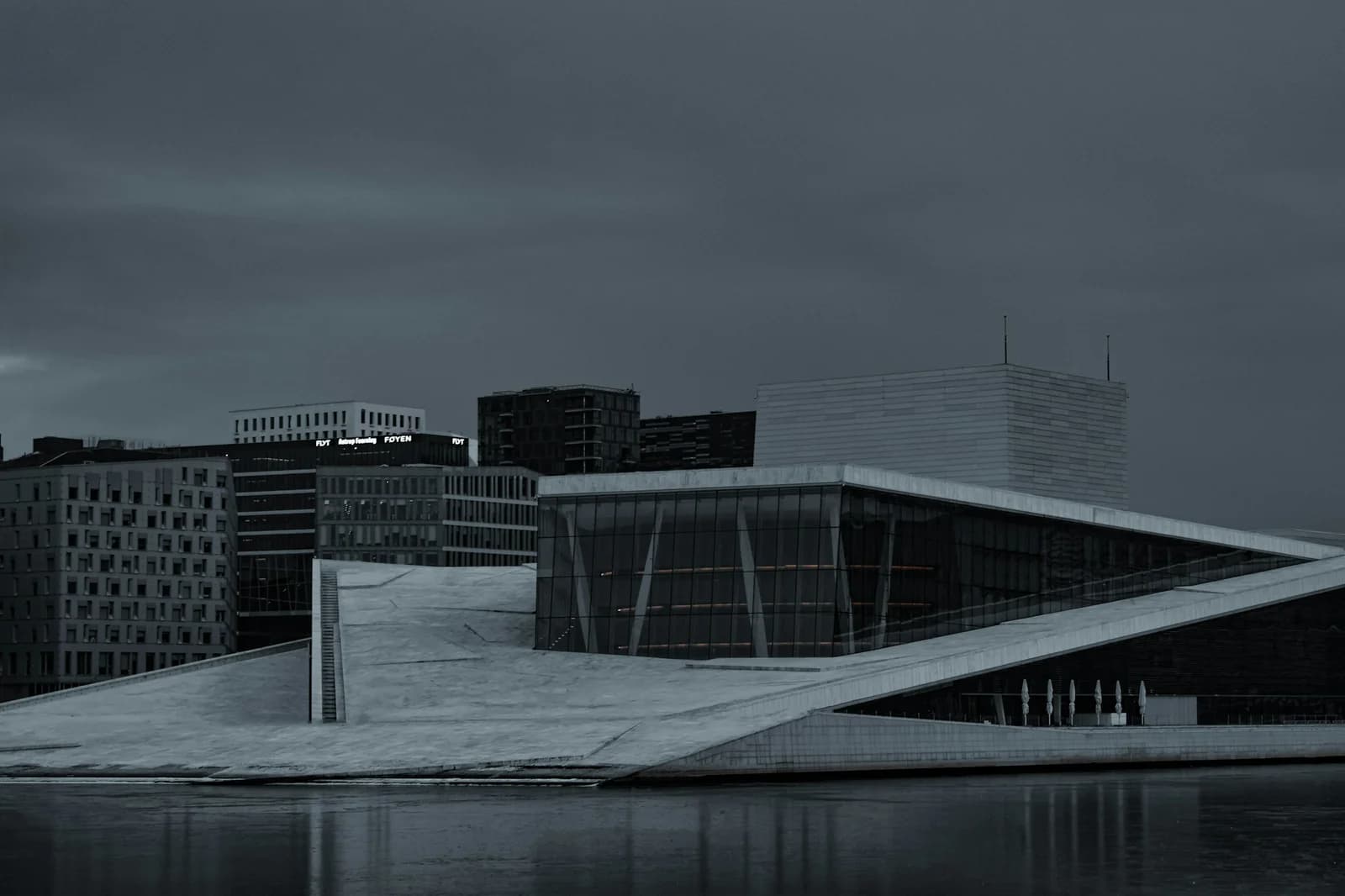
Three days in Oslo: the waterfront, art and neighbourhoods
A workable long weekend with Bjørvika, museums, Grünerløkka and a slower day beside the fjord.
Read the guide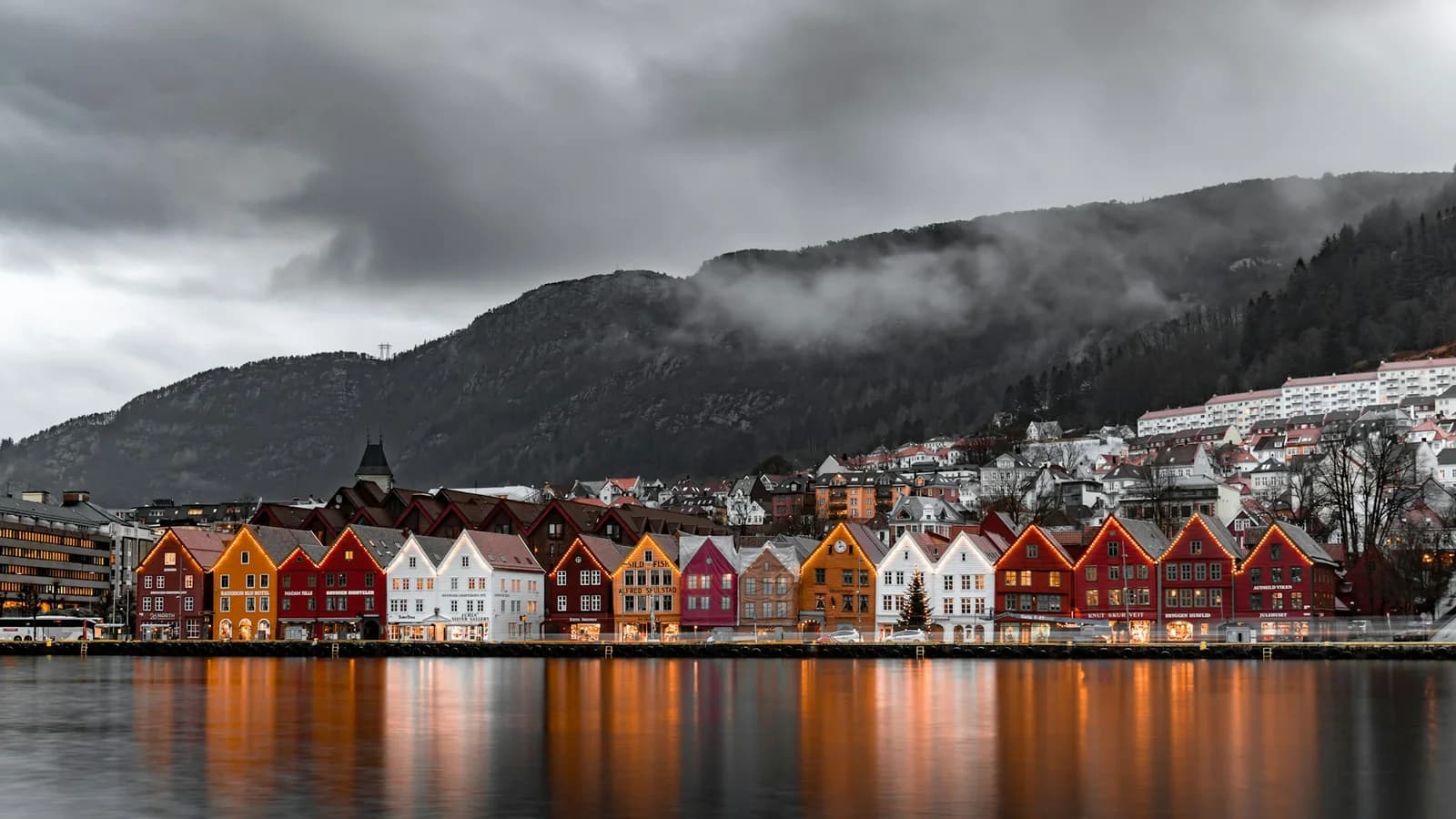
Bergen and the fjords: a trip with room for the landscape
Combine Bryggen, Flåm and a fjord experience without spending your whole holiday in queues and connections.
Read the guide
