Trip planning · 3 min read
When should you visit Norway? A guide through the seasons
There is no single month that works best for all of Norway. A city break, fjord trip, northern lights visit and mountain walk have different requirements, while the same date can bring very different conditions on the coast, in the mountains, in the south and in the north. Start with the experience that matters most, choose a suitable region, then investigate your dates. This guide helps you make that decision without building an entire trip around one sunny photograph.
- Choose the experience before the month
- Region and elevation affect conditions
- Check services for your actual dates
Spring: city life and a gradual transition
Spring is a useful starting point for a trip centred on city life, culture and shorter lowland outings. Do not treat green grass in town as evidence that a mountain trail is ready. Investigate conditions at the place you actually intend to visit, and keep any hike flexible within the plan. Choose a base with indoor alternatives and check opening hours around public holidays. Consider putting your longest outing in the middle of the stay, so you have room to move it if weather or transport makes another day more suitable.
Summer: long days, varied conditions
Summer brings long light days and many possibilities along the coast and fjords. Midnight sun depends on both place and date; a bright evening in southern Norway is not the same phenomenon. If it is your main goal, check the season for your destination before booking. Long daylight does not mean you need a longer activity list either. Choose one main experience each day and use the remaining time for pauses. Book essential stays and connections once the plan is clear, while retaining some flexibility around outdoor days and packing for cooler or wet periods too.
Autumn: colour and more deliberate daily plans
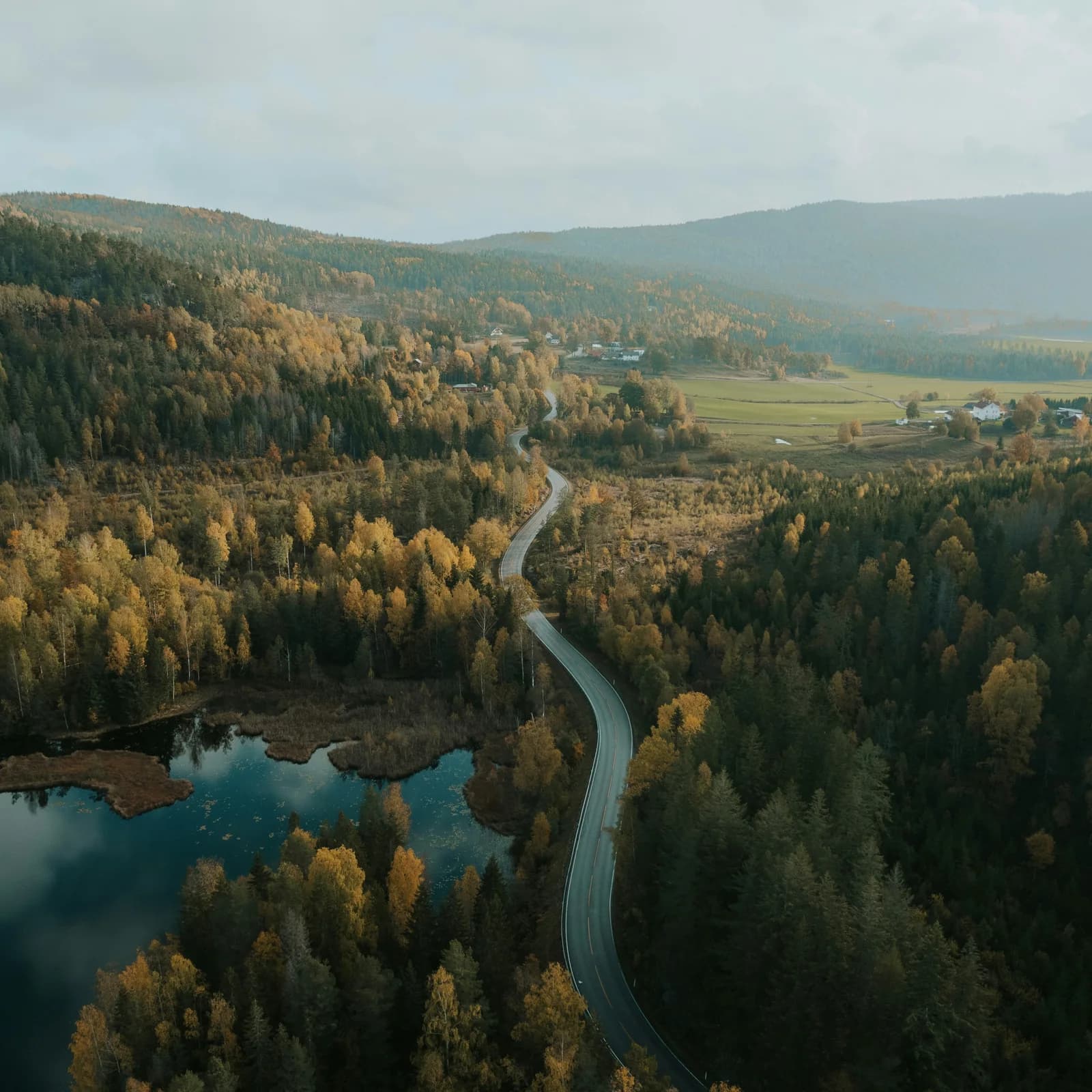
Autumn can suit city life, food experiences and changing landscapes. The timing of autumn colour varies, so do not choose a particular weekend solely from a photograph taken in another year. Shorter days make it useful to put outdoor activities earlier and save the afternoon for culture or a café. Check whether boat trips, attractions and accommodation still offer what you want. A quiet trip outside the main season often needs more careful connection planning, even if the stay itself feels less busy. Keep a specific alternative ready if an excursion is not operating.
Winter: choose a base with several possibilities
A winter trip is easier when your base works for both the main goal and an ordinary day without the headline experience. For a northern lights visit, that means activities you will enjoy even without an aurora sighting; darkness alone is no guarantee. For a ski or snow trip, investigate local conditions and available services. Plan transport and outdoor time around daylight at your destination, and use local advice about clothing and surfaces. Leave a margin before travelling home, especially when the stay depends on a long connection or several forms of transport.
Turn your season choice into a workable plan
Write down one main experience and two worthwhile alternatives first. Then investigate accommodation, transport and opening hours for the same dates; a good deal on one part helps little if the rest does not fit. Compare the total cost and cancellation terms before booking. Build a packing list for your activities and region, rather than only the season's name. Check forecasts and local conditions again close to departure. The best period for you is where your interests, available time and practical plan meet, with enough room to adjust along the way.
Sources and method
Sources were checked on 11 October 2026. Advice identified as our recommendation is Norway90’s own synthesis. This text was prepared with AI assistance; check current prices, timetables and conditions with the source.
Keep exploring
Norway on a budget: spend on the experiences you value
A practical method for comparing the full trip cost, choosing fewer bases and keeping room for memorable experiences.
Read the guide
Public transport in Norway: plan your trip step by step
Find routes, check connections and choose your ticket. A practical checklist for planning public transport in Norway.
Read the guide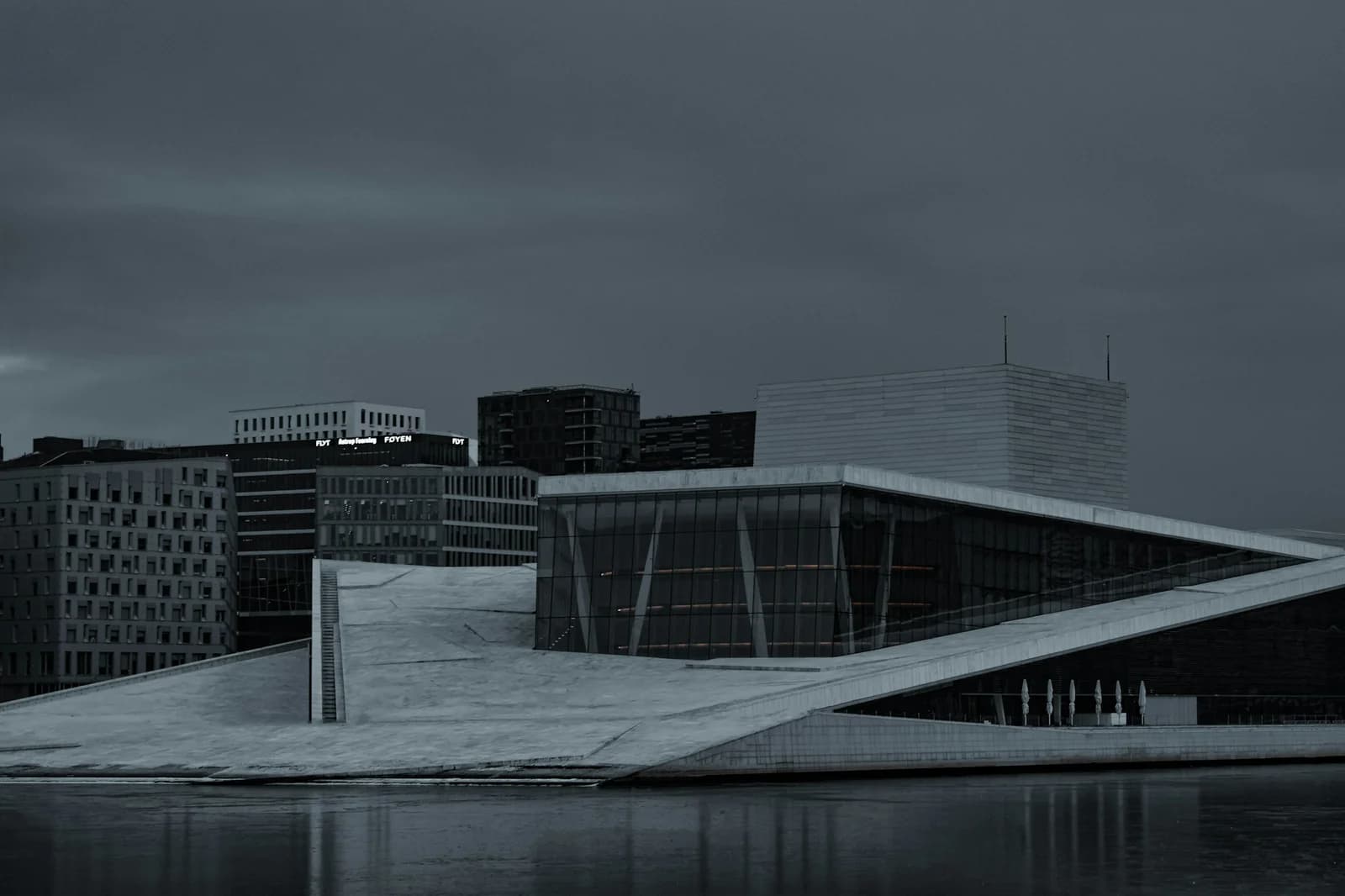
Three days in Oslo: the waterfront, art and neighbourhoods
A workable long weekend with Bjørvika, museums, Grünerløkka and a slower day beside the fjord.
Read the guide
