Food and culture · 4 min read
A taste of Norway: from brown cheese to coastal ingredients
You do not need a famous restaurant every evening to get to know Norwegian food. A bakery visit, a simple fish dish and a conversation about the ingredients can be just as memorable. This guide suggests a varied way to explore, making room for both traditional products and contemporary cooking. Choose according to your interests, dietary needs and budget, and treat these suggestions as possibilities rather than a checklist you must complete.
- Start with small portions and questions about local ingredients
- Brunost is a sweet, caramelised whey cheese
- Plan one priority meal
Start simply: bread, brown cheese and waffles
Brunost has a sweet flavour and is made with whey from cow's or goat's milk; goat varieties can taste stronger. Try a small slice on bread before buying a large pack. Waffles offer another easy introduction, although accompaniments and serving styles vary. Ask what the café recommends, or choose something familiar alongside it if you want to compare. Make this a pause with time to sit, rather than another stop to rush through. Food culture is easier to remember when the experience has a setting as well as a flavour.
On the coast: ask about the day's ingredients
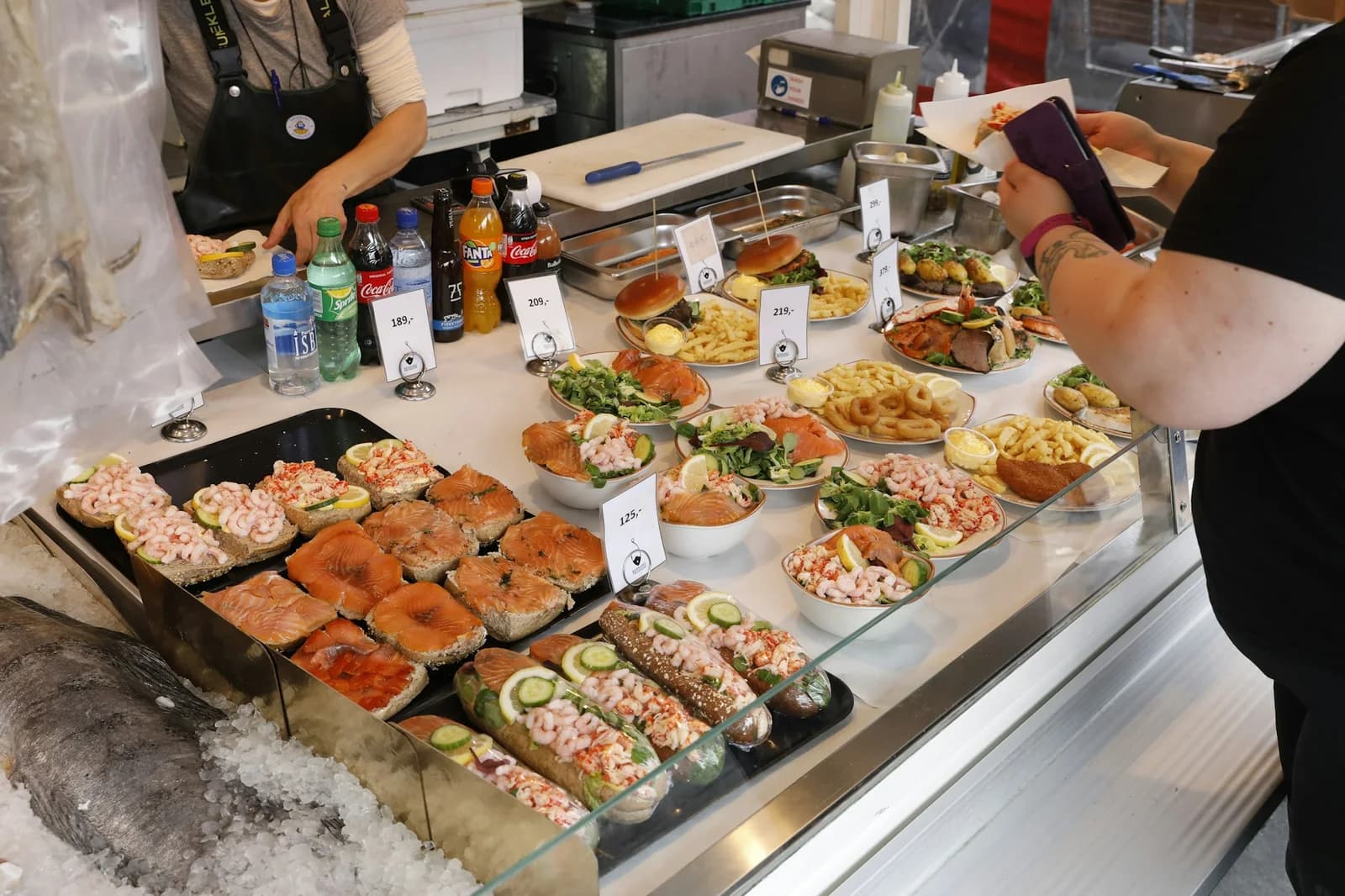
Fish and seafood are an important part of Norwegian cooking. Look for a dish you actually want to eat and ask where the main ingredient comes from and how it is prepared. A fish soup or lunch option can be an easier introduction than a large seafood platter. Do not assume everything at a market counter is local or in season simply because you are beside the harbour. Compare what is included and the price, and choose somewhere with clear information.
Four names you may encounter on a menu
Fårikål is a lamb and cabbage stew. Fenalår is salted and dried leg of lamb, while raspeballer are potato dumplings also known as komler or klubber. For dessert, you may encounter multekrem, made with cloudberries and cream. These names help you understand a menu, but do not explain every accompaniment or today's preparation. Ask how the dish is served and choose according to your tastes. You do not need to find all four on one visit; one enjoyable dish with an explanation from your host is a useful beginning.
From farms and bakeries to contemporary cooking
Look beyond seafood for cheese, baking, berry products and other ingredients from the area you are visiting. A farm shop or bakery can fit neatly into an existing route, but check opening hours before making a long detour. Buy a small amount first and ask about the producer behind it. Norwegian food experiences do not have to mean old recipes either: contemporary kitchens can use local ingredients in new ways. Consider choosing one traditional product and one more modern meal. That gives you a broader experience than building the entire trip around the same signature dish.
A budget that leaves room to explore
Choose one meal worth spending extra on and keep the others simpler. Find out whether breakfast is included in your accommodation, and use a shop or bakery for some lunches. Read the whole menu before ordering: sides, drinks and small extras affect the total. Share tastings where the venue allows it, but ask first. Put your budget towards the quality you value, whether that means good coffee, a local cheese or a relaxed dinner. A higher price alone does not tell you whether the food suits your tastes or the plan for your day.
Ordering, dietary needs and taking food home
Explain allergies or other dietary needs before ordering, and ask staff to clarify ingredients you are unsure about. If you want vegetarian food, investigate specific menu options rather than assuming a traditional dish can be adapted. When buying food to take home, also check storage requirements and the import rules of your destination country. A small shelf-stable item with clear labelling is easier to plan around than fresh food without refrigeration. Photograph the label or note the producer's name so you can remember the flavour and its story without buying more than you need.
Sources and method
Sources were checked on 11 October 2026. Advice identified as our recommendation is Norway90’s own synthesis. This text was prepared with AI assistance; check current prices, timetables and conditions with the source.
Keep exploring
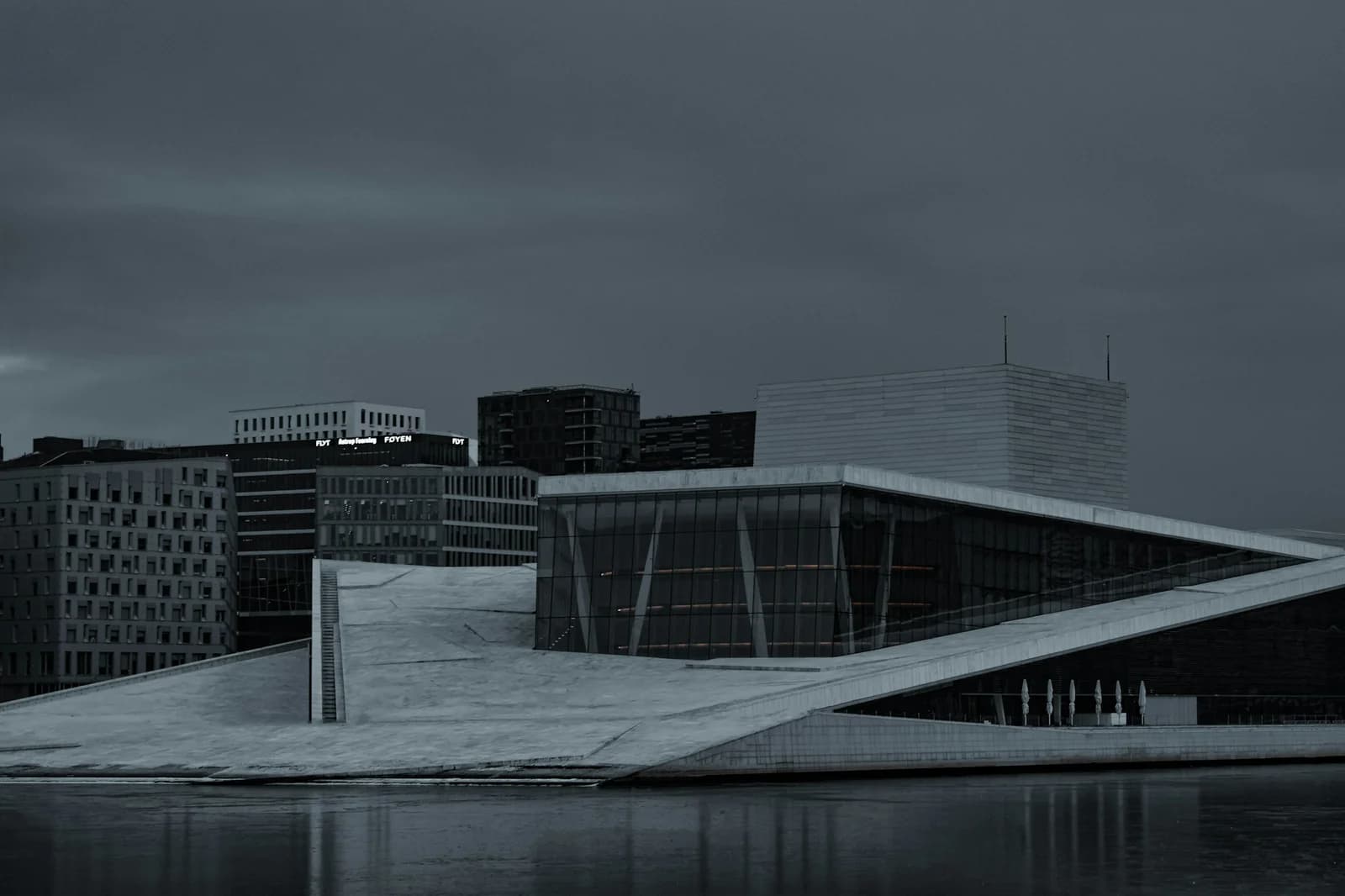
Three days in Oslo: the waterfront, art and neighbourhoods
A workable long weekend with Bjørvika, museums, Grünerløkka and a slower day beside the fjord.
Read the guide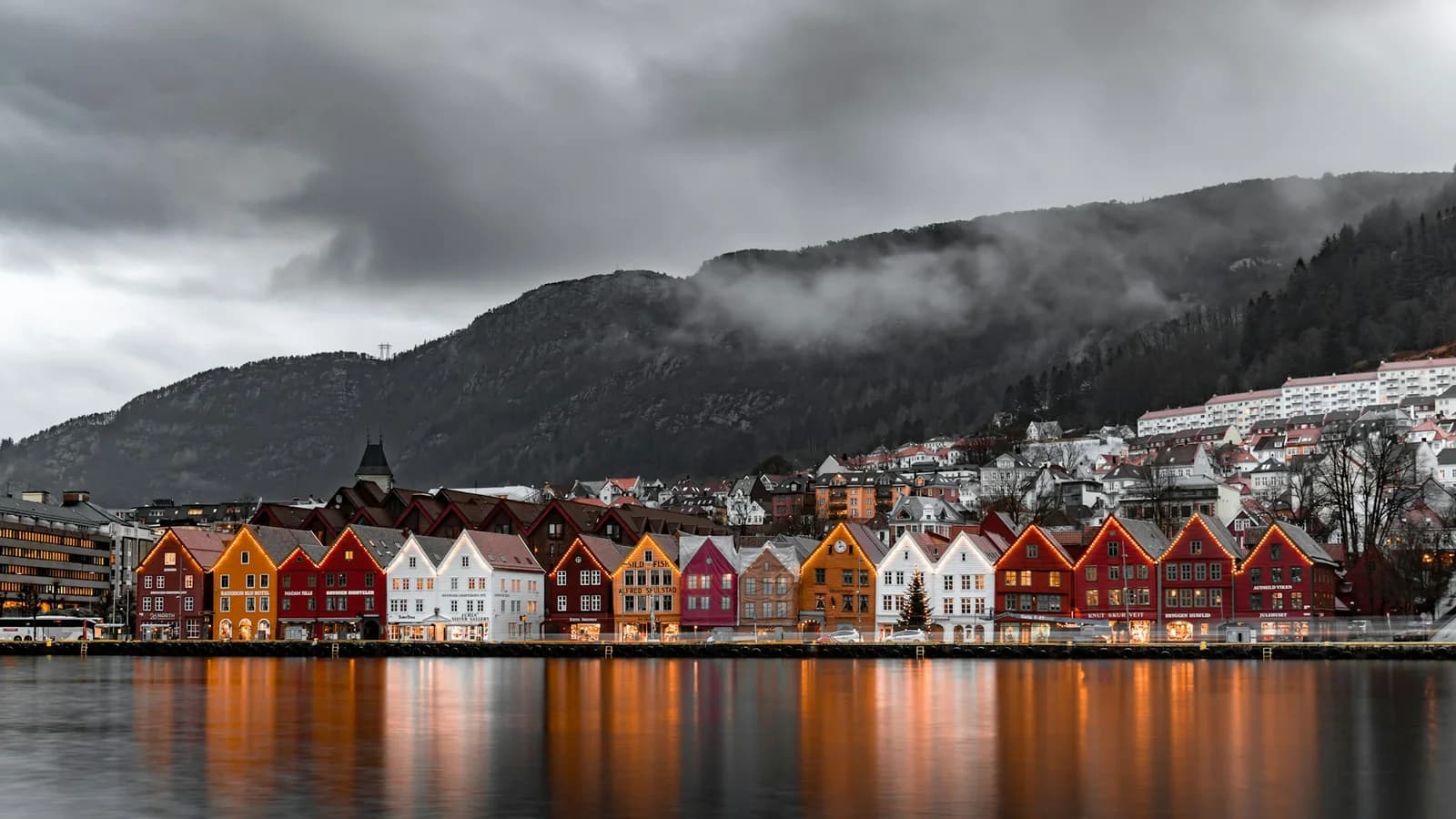
Bergen and the fjords: a trip with room for the landscape
Combine Bryggen, Flåm and a fjord experience without spending your whole holiday in queues and connections.
Read the guide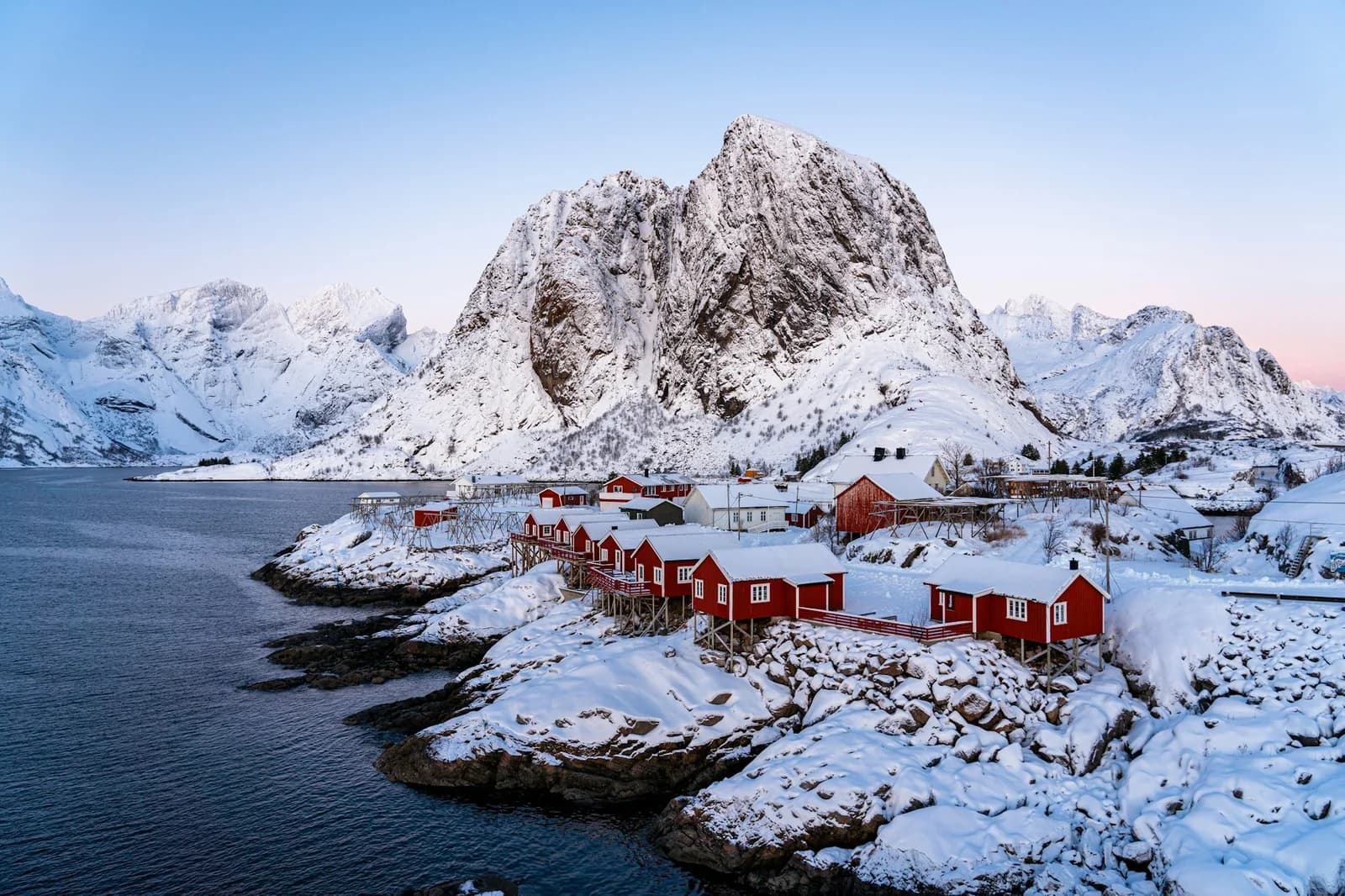
Your first Lofoten trip: fewer stops, more experience
Choose a base, organise transport and find a good rhythm between fishing villages, coastal scenery and weather-dependent outings.
Read the guide
